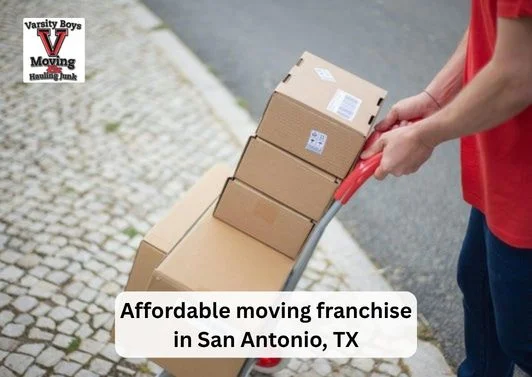
San Antonio is growing faster than almost any other city its size in Texas, and every new household, apartment lease, and relocated family means one thing for the local economy: somebody has to move their boxes. That steady, recession-resistant demand is exactly why an affordable moving franchise in San Antonio has become one of the more practical small-business options for people who want to own something real without betting their life savings on an unproven concept.
This isn’t a piece about “being your own boss” in the abstract. It’s a grounded look at what it costs, what you get, what the market actually looks like here, and how to tell a solid opportunity from a shaky one.
Why San Antonio Is a Strong Market for a Moving Franchise
Before looking at costs, it helps to understand why this specific city matters. Franchise territory value is tied directly to local demand, and San Antonio has several demand drivers working in its favor at once.
- Population growth. San Antonio consistently ranks among the fastest-growing large metros in the country, with new residents arriving from other states and within Texas itself.
- Military relocations. With Joint Base San Antonio and several nearby installations, the city sees a constant cycle of permanent-change-of-station moves, which are typically well-paying and predictable.
- Housing turnover. A mix of new-construction suburbs (Stone Oak, Alamo Ranch, Boerne-adjacent growth corridors) and established neighborhoods means both first-time buyers and long-term residents are moving regularly.
- Commercial and office relocations. As businesses expand into San Antonio’s growing tech and healthcare sectors, office and warehouse relocation work adds a second revenue stream beyond residential moves.
A moving franchise doesn’t need a saturated luxury market to succeed – it needs consistent volume, and San Antonio delivers that in spades.

What “Affordable” Actually Means in a Moving Franchise
The word “affordable” gets used loosely in franchise marketing, so it’s worth defining clearly. In the moving industry, affordability usually comes down to three structural factors:
Lower equipment intensity compared to other franchise categories. Unlike a restaurant franchise that requires a full commercial kitchen build-out, or a fitness franchise that needs specialized equipment and a long-term lease, a moving franchise’s core assets are trucks, moving equipment (dollies, blankets, straps), and a small operations setup. That keeps the initial investment closer to the lower end of the franchise spectrum.
Home-based or small-office operating models. Many moving franchise systems allow franchisees to run dispatch, scheduling, and administration from a home office or a modest commercial space rather than requiring expensive retail-facing real estate. This alone can cut tens of thousands of dollars from a typical build-out budget.
Scalable crew structure. You don’t need to hire a full-time crew of ten on day one. Most affordable moving franchise models are designed to scale labor with demand – starting with a lean crew and adding trucks and movers as bookings grow.
Breaking Down the Investment: Costs You Should Expect
Every legitimate franchise opportunity is required to disclose cost ranges in its Franchise Disclosure Document (FDD), and a low-cost moving franchise in San Antonio should be transparent about each of these categories before you sign anything.
These ranges are illustrative and vary by brand – always confirm exact figures in the FDD Item 7 before making a decision.
The important takeaway is that a moving franchise’s cost structure is genuinely different from higher-investment categories like hotels or full-service restaurants, which is why it’s frequently marketed toward first-time franchisees and owner-operators who want to stay hands-on early.
What’s Included When You Buy an Affordable Moving Franchise
A franchise fee isn’t just a price of admission – it should come with a system you couldn’t easily build alone. When you buy an affordable moving franchise in San Antonio, look for these inclusions:
- Territory rights – an exclusive or protected geographic area so you’re not competing against another franchisee from the same brand a few miles away
- Booking and dispatch software – a system for scheduling crews, quoting jobs, and tracking trucks
- Brand and marketing support – templates, local SEO guidance, and sometimes a call center or lead-routing system
- Operational training – everything from crew safety protocols to customer service scripts
- Vendor relationships – pre-negotiated rates on trucks, insurance, packing supplies, and fuel programs
If a franchise opportunity can’t clearly explain what’s included beyond “use of our name,” that’s a signal to keep evaluating other options.

Moving Franchise Opportunities in San Antonio: What to Look For
Not every moving franchise for sale in San Antonio is structured the same way, and the differences matter more than the marketing materials suggest. When comparing moving franchise opportunities in San Antonio, run through this checklist:
- Territory size and exclusivity – Ask exactly how the territory is defined (zip codes, radius, county) and whether it’s protected.
- Royalty and fee structure – Understand ongoing royalty percentages and any national marketing fund contributions, since these affect your margins long after the initial investment.
- Existing franchisee performance – Request Item 19 of the FDD (if disclosed) or ask to speak with current owners about real revenue and demand patterns.
- Local competition density – San Antonio already has established moving companies; understand how the franchise differentiates itself.
- Growth path – Some systems allow multi-territory ownership once your first location is profitable, which matters if you’re thinking long-term.
Steps to Buy a Moving Franchise in San Antonio
Once you’ve decided a moving franchise fits your goals, the buying process generally follows a predictable sequence:
- Initial inquiry and discovery call. You’ll typically fill out a short form and speak with a franchise development representative about your background and goals.
- Review the Franchise Disclosure Document. Federal law requires this document be provided at least 14 days before you sign anything or pay any money.
- Speak with existing franchisees. This step is often skipped, but it’s the single best way to validate real-world performance versus marketing claims.
- Secure financing. Many franchisees use SBA loans, home equity, or a combination of personal capital and financing – some brands have preferred lender relationships.
- Sign the franchise agreement and select your territory. This locks in your operating area within San Antonio.
- Complete training. Most systems require a combination of classroom and on-the-ground training before launch.
- Launch and ramp-up. Initial marketing, hiring your first crew, and booking your first jobs typically happen in this phase.

Common Mistakes First-Time Franchise Buyers Make
Even with a lower entry cost, a moving franchise is still a real business, and rushing the decision creates problems down the line.
- Underestimating working capital. Many new owners budget for the franchise fee and truck but not enough operating cash to cover the first few slow months.
- Skipping the franchisee reference calls. Marketing materials show best-case scenarios; current owners will tell you what a typical month actually looks like.
- Ignoring labor availability. Moving crews require reliable, physically capable workers – factor local labor market conditions into your plan before committing.
- Choosing based on brand recognition alone. A well-known name doesn’t guarantee support quality or territory demand – the operational details matter more.
- Not modeling seasonality. Moving demand in San Antonio shifts with the school calendar and military PCS cycles; cash flow planning should account for slower winter months.
Is a Moving Franchise Right for You?
A moving franchise tends to suit people who are comfortable with hands-on operations early on – scheduling crews, handling customer calls, and being present for the first several months of launch – rather than fully passive investors. It also favors people who are organized around logistics and don’t mind physical, service-based work even if they’re not lifting boxes themselves every day.
If you’re looking for a business with lower equipment costs than a restaurant, more consistent demand than a seasonal service, and a straightforward operating model you can learn within a few months, an affordable moving franchise in San Antonio is worth serious consideration – provided you do the diligence outlined above rather than relying on a single conversation with a franchise sales rep.
FAQ’s
How much does it cost to buy an affordable moving franchise in San Antonio?
Costs typically range from $45,000 to $140,000 total, covering the franchise fee, trucks and equipment, insurance, initial marketing, and working capital. Exact figures vary by brand and are disclosed in the Franchise Disclosure Document.
Is a moving franchise profitable in San Antonio?
Profitability depends on territory demand, management, and labor costs, but San Antonio’s population growth and military relocation activity give moving franchises a consistent customer base compared to many other service industries.
Do I need moving industry experience to buy a franchise?
No. Most moving franchise systems provide full training on operations, dispatch, crew management, and customer service, so prior industry experience is helpful but not required.
What’s the difference between an independent moving company and a moving franchise?
A franchise provides an established brand, training systems, booking software, and vendor relationships, while an independent company requires you to build all of that from scratch – often at higher upfront cost and risk.
How long does it take to open a moving franchise after signing?
Most franchisees launch within 60 to 120 days of signing, depending on how quickly they complete training, secure financing, hire a crew, and finalize licensing and insurance requirements.
What should I check before choosing a moving franchise for sale in San Antonio?
Review the FDD carefully, confirm territory exclusivity, ask about royalty fees, and speak directly with current franchisees about real revenue, demand, and support quality before signing any agreement.