

Yes Austin, TX, is a market worth serious evaluation for anyone researching moving franchise opportunities Austin currently has to offer. The city crossed 1 million residents in 2026, the wider Austin metro area is home to more than 2.3 million people, and major employers like Tesla, Samsung, and Apple continue to add thousands of jobs across the region.
At the same time, rental leasing activity in Austin has stayed strong even as home sales have cooled, which means people are still moving in large numbers even in a slower housing market. This guide covers what makes Austin worth considering for a moving franchise in Austin, TX, entrepreneurs are exploring; how to evaluate any franchise opportunity in this market; what the financial side generally involves; and what a Varsity Boys Moving & Hauling Junk franchise specifically offers here.
It’s written for entrepreneurs comparing moving franchise opportunities in Austin against other Texas cities and looking for a realistic, fact-based read before they talk numbers with a franchise development team. It focuses on evaluating the market and the opportunity, not on repeating a sales pitch for that; the Austin franchise page covers next steps directly.
Why Austin May Be Worth Considering for a Moving Franchise
Austin combines rapid long-term population growth, a major corporate and tech employment base, and a large university, which together create a moving business opportunity Austin doesn’t run out of even when one demand driver slows down.

Understanding the Austin Market
Austin is the fourth-largest city in Texas and, as of 2026, has officially passed the 1-million-resident mark, according to the city’s own demographic office, up from 962,163 at the 2020 census. The broader Austin metro area, which includes Round Rock, Cedar Park, Georgetown, and Pflugerville, is home to more than 2.3 million people, and regional planners project the metro could grow toward 4.3 million by 2060 under current migration trends.
Migration into the region has historically driven more than 70% of Austin’s population growth, and while the pace has cooled from the pandemic-era peak of 4%+ annual growth to roughly 2% today, the region is still adding residents every year through both domestic and international migration. Some of that growth has also spread outward into the surrounding suburbs, which is a detail worth understanding rather than treating as a downside, since it expands where a moving franchise can realistically find work.
Residential Moving Demand
Austin’s home-sale market has corrected significantly from its 2022 peak, with the city’s median sale price sitting in the mid-$500,000s and homes typically taking around two months to sell, a shift that has actually made buying more accessible than it was a few years ago.
What matters more for a moving business is the rental market: median rents have eased to around $2,000 a month, and recent data shows closed leases up more than 10% and new leases up more than 13% year over year, a sign that Austin’s large renter population keeps moving regardless of what the for-sale market is doing. Renewal season around UT Austin and the broader downtown and East Austin rental corridors adds a predictable annual spike on top of that steady year-round turnover.
Commercial and Business Relocation Opportunities
Austin’s nickname as “Silicon Hills” is backed by real numbers: Tesla’s Gigafactory Texas employs thousands of workers, Samsung’s semiconductor fabrication plant in nearby Taylor represents one of the largest single investments in Texas history, and Apple’s North Austin campus has a capacity for up to 15,000 employees. Beyond the headline names, ongoing office buildouts, lab relocations, and expansions among semiconductor, biotech, and software employers create a steady stream of commercial moving work that isn’t tied to the residential real estate cycle at all. New employees relocating into the metro for these companies also add another layer of household moving demand on top of the commercial side.
What Makes a Market Attractive for a Moving Franchise?
Beyond Austin specifically, evaluating any city for moving franchise opportunities in Austin or elsewhere comes down to a handful of repeatable factors worth applying consistently.
Customer Demand and Local Growth
A market attractive to a moving franchise needs a steady flow of people and businesses changing addresses, which Austin has through a combination of population growth, corporate relocations, and a large, high-turnover rental base that doesn’t depend on any single industry.
Competition and Market Positioning
Austin already has a full mix of national van lines, regional movers, and independent local operators competing for the same jobs, so a new franchise needs a clear positioning angle, whether that’s pricing transparency, faster scheduling, or a combined moving-and-hauling service that fewer competitors offer in the same visit.
Service Area and Territory Potential
An attractive market typically supports a defined moving franchise territory large enough to sustain a full-time crew without excessive drive time, and Austin’s metro area, spanning Travis County and fast-growing suburbs like Round Rock, Cedar Park, and Kyle, offers that kind of realistic radius without stretching a crew too thin.
Customer Types and Service Needs
A strong market serves multiple customer types at once, from renters moving between apartments to homeowners relocating within the metro to companies moving offices and lab equipment, which spreads demand across several revenue sources instead of relying on just one segment of the calendar.
What Should You Evaluate Before Choosing a Moving Franchise in Austin?
Before choosing any moving business franchise Austin entrepreneurs are considering, look past the marketing and evaluate these specific factors one at a time.
Business Model and Service Offering
Look closely at what the franchise actually sells: whether it’s moving only, junk hauling only, or a combined model, since a broader service offering tends to generate more revenue per customer relationship and more jobs per truck each week.
Brand Recognition and Reputation
A franchise with an established reputation in other Texas markets gives a new Austin location a head start on trust, compared with an independent business that has to earn every review and every bit of local search visibility from zero.
Training and Ongoing Franchise Support
Reliable moving franchise support should extend well past opening day, covering everything from initial crew training to ongoing coaching on pricing, scheduling, and customer service as the business grows and adds a second truck.
Marketing and Lead Generation
Ask precisely what marketing the franchisor handles centrally, such as the website and paid search, versus what the local owner is expected to manage and fund out of pocket month to month.
Operations, Staffing, and Equipment
Confirm what operational systems come with the franchise, from dispatch software to safety protocols, and get clarity on typical staffing and equipment needs for a market the size of Austin before committing to a launch date.
What Services Can a Moving Franchise Offer in Austin?
A well-rounded moving franchise in Austin typically sells more than one service line to the same pool of customers rather than depending on a single job type.
Residential Moving Services
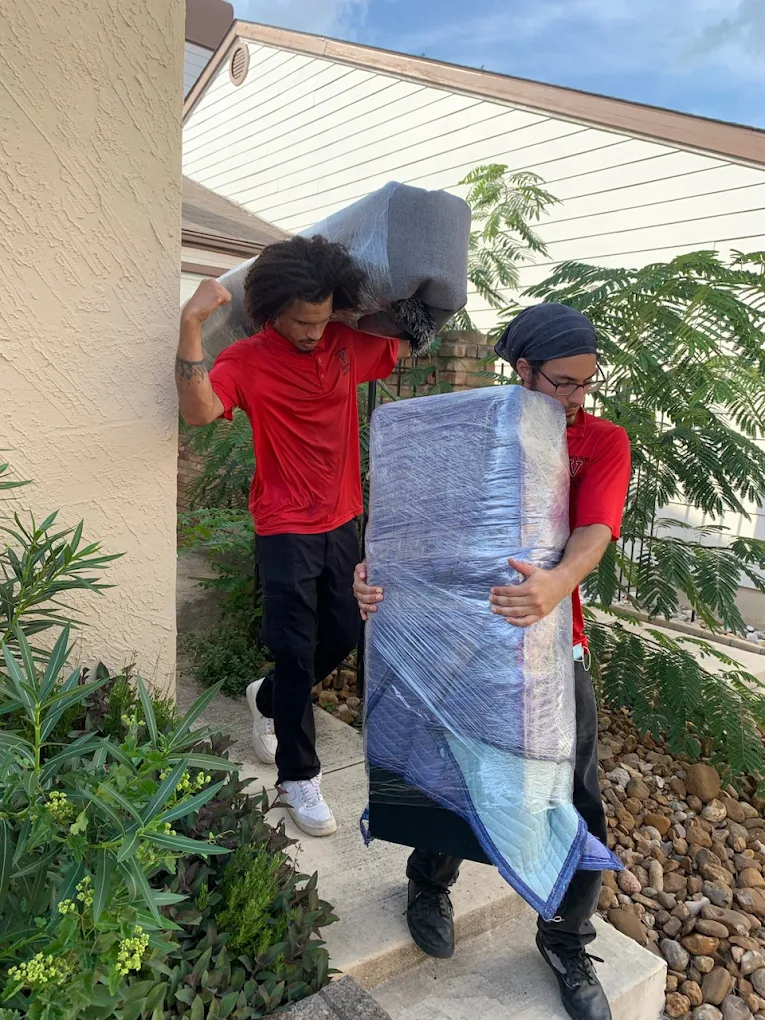
Local household moves, apartment-to-apartment relocations near UT Austin and the surrounding rental corridors, and full-service packing make up the bulk of everyday bookings for most residential customers in the metro.
Commercial Moving Services
Office relocations, lab and equipment moves tied to Austin’s tech and semiconductor employers, and small-business moves offer larger job sizes than most residential work, often with less seasonal variation.
Junk Removal and Hauling
Furniture and appliance removal, garage and estate cleanouts, and construction debris hauling let the same trucks and crews stay productive on days with fewer moving jobs booked on the calendar.
Additional Moving-Related Services
Labor-only moving help, short-term storage coordination, and seasonal cleanouts round out the service menu and give a franchise more ways to serve a single customer over the life of that relationship.
How Does a Moving Franchise Compare With Starting an Independent Moving Company?
Both routes can work in a market as large as Austin, but they come with different timelines and very different levels of built-in support.
Building a Brand From Scratch
An independent mover has to build local trust, a review base, and name recognition from nothing, which can take years in a competitive metro where established movers already rank well and show up first in local search results.
Creating Business Systems
Independent owners have to design their own pricing, dispatch, and hiring processes through trial and error, while a franchise typically hands over systems that have already been refined and tested across other markets.
Marketing and Customer Acquisition
Without an established brand, independent movers lean heavily on paid ads and slow organic growth to fill their schedule, which often means inconsistent bookings in the first year or two of operation.
Franchise Training and Support
A franchise exchanges some independence for structured onboarding, ongoing coaching, and access to systems that can shorten the learning curve most new moving companies go through entirely on their own.
What Should You Consider About the Financial Side of an Austin Franchise?
If your plan is to buy a moving franchise Austin market conditions won’t tell you what that costs—only the brand’s official Franchise Disclosure Document (FDD) has accurate investment figures, so treat any other number as a rough placeholder at best.
Initial Investment and Startup Expenses
Initial investment for a moving and hauling franchise generally covers the franchise fee, a truck, equipment, signage, insurance, and starting working capital; ask for the current FDD Item 7 range for the exact figures rather than a general estimate.
Trucks, Equipment, and Staffing Costs
Budget for moving trucks, dollies, blankets, and other equipment alongside payroll and standard commercial insurance, with costs scaling to how much volume an Austin territory can realistically support in its first year.
Ongoing Fees and Operating Expenses
Most franchise systems collect an ongoing royalty, usually a percentage of gross revenue, and may also contribute to a shared marketing fund; confirm the exact terms in the franchise agreement rather than assuming a standard rate applies across brands.
Working Capital and Financial Planning
Plan for working capital beyond the initial investment to cover payroll, fuel, and marketing while the business builds a steady job calendar, since most new service businesses take time to reach consistent, predictable bookings.
Why Consider Varsity Boys Moving & Hauling Junk in Austin?
Varsity Boys is a moving and junk removal franchise Austin is already listed as a target market for, alongside the brand’s existing operations in San Antonio and Houston and its expansion plans in Dallas.
Moving and Junk Removal Business Model
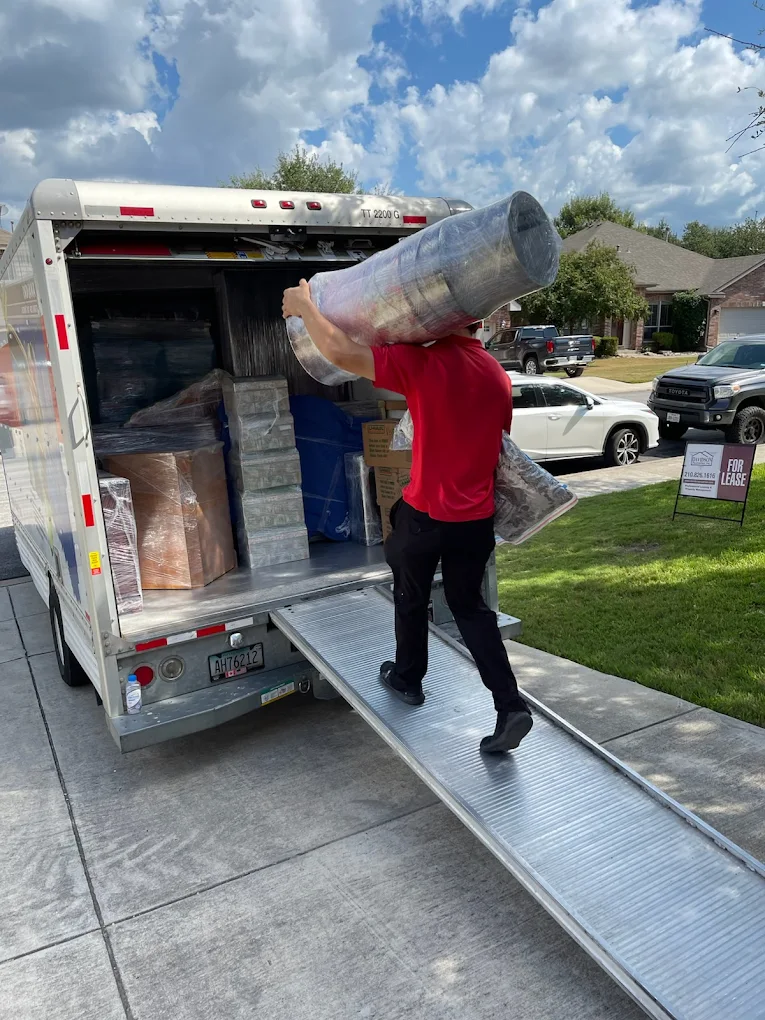
The brand combines residential and commercial moving with junk hauling and debris pickup in a single operation, which gives an Austin franchisee two service lines from one crew and fleet instead of specializing narrowly in just one.
Training and Franchise Support
Franchise owners work from a system shaped by several years of operating experience in other Texas cities rather than building booking, dispatch, and pricing processes entirely from scratch on their own.
Marketing and Operational Resources
The franchise program is positioned to support new owners with marketing and operational guidance, reducing how much of the website, review strategy, and lead pipeline an owner has to build unassisted in a new market.
Building a Local Service Business in Austin
A Varsity Boys franchise in Austin would combine the brand’s established Texas systems with a market defined by fast population growth, a large renter base, and a deep bench of corporate relocations. Full details on territory and next steps are available on the [Austin Franchise Page].
How Should You Evaluate Moving Franchise Opportunities in Austin?
Once you’ve confirmed Austin looks promising, comparing franchise opportunities Austin TX offers side by side is the next step, using the same criteria consistently for every brand you consider.
Compare the Business Model
Line up each franchise’s service mix, whether moving-only or combined with hauling, since a broader model tends to produce more revenue per customer relationship over the life of the business.
Review Franchise Costs and Fees
Request the current FDD from every brand under consideration and compare initial investment ranges, royalty structures, and marketing fund requirements rather than relying on marketing claims alone.
Evaluate Territory and Market Fit
Confirm how each franchise defines its Austin-area territory, whether it’s protected, and whether it includes the fast-growing suburbs where much of the region’s population growth is actually happening right now.
Investigate Training and Support
Ask what training happens before launch versus what ongoing support looks like six months or a year in, since the first year is typically when new owners need the most guidance. You can review how this looks in practice on the Austin Franchise.
Is Austin, TX Right for Your Moving Franchise Goals?
Austin’s population growth, its deep bench of corporate and tech employers, and a rental market that keeps turning over all point to steady, long-term demand for moving and junk-hauling services. Whether that demand adds up to the right opportunity for you comes down to your own goals, available capital, and how a specific franchise’s territory and support terms compare against what Austin actually offers today.
Franchise ownership isn’t the only way into this market, but for many first-time owners it shortens the distance between deciding to start and actually generating revenue in a city where demand is already there. The most useful next step isn’t more research on the city itself, it’s getting real investment figures, a real territory map, and real answers from a franchise team you’re seriously considering.
Questions to Ask Before Choosing an Austin Moving Franchise
Bring these questions to every conversation with a franchise development team, and expect specific answers rather than general reassurances.
Questions About Investment
What is the total estimated initial investment range in the current FDD, and how much working capital is recommended on top of that figure before opening?
Questions About Territory
How is the Austin territory defined, is it exclusive, and does it extend into growing suburbs like Round Rock, Cedar Park, or Georgetown?
Questions About Training and Support
What does onboarding cover in the first 90 days, and what ongoing moving franchise support is available after that initial period ends?
Questions About Marketing and Operations
Which marketing channels does the franchisor manage centrally, and what day-to-day operational systems, from dispatch to invoicing, come included with the franchise?
Steps to Evaluate a Moving Franchise Opportunity in Austin
Moving from research to franchise ownership Austin entrepreneurs pursue usually follows a similar sequence, regardless of which brand they end up choosing.
Research Available Opportunities
Start by identifying moving and junk-hauling franchises actively operating or expanding in Texas, and note which ones are specifically targeting the Austin market rather than serving it incidentally from another city.
Review the Franchise Disclosure Document
Request and read the full FDD for each brand under serious consideration, ideally with a franchise attorney or advisor, before assuming any cost or support claim from marketing materials is accurate.
Speak With the Franchise Team
A direct conversation with a franchise development team is the only reliable way to confirm current territory availability, investment ranges, and support details for Austin specifically, rather than general figures.
Compare the Opportunity With Your Business Goals
Weigh what each franchise offers against your available capital, your appetite for running a crew-based physical business, and how hands-on you want to be in the day-to-day operation.
FAQs About Moving Franchise Opportunities in Austin
Is Austin a good market for a moving franchise?
Austin’s population of more than 1 million, its 2.3-million-plus metro area, and a business base anchored by employers like Tesla, Samsung, and Apple all point to steady, ongoing demand for moving and hauling services across both households and businesses.
What should I look for in a moving franchise opportunity?
Look for a clear service model, a track record in other Texas markets, defined territory terms, and ongoing moving franchise support rather than a one-time training session that ends after launch week.
How much does it cost to start a moving franchise?
Startup costs vary by brand and typically include the franchise fee, a truck, equipment, and working capital, but the accurate number for any specific franchise comes only from that brand’s official FDD, not a general online estimate.
Do I need moving industry experience?
Most moving franchises are designed for owners without prior industry experience, providing training on day-to-day operations, though comfort managing a crew-based, physical service business is genuinely useful going in.
How can I learn more about a Varsity Boys franchise in Austin?
Contact the Varsity Boys Moving & Hauling Junk franchise team directly, or visit the Austin Franchise, to discuss territory availability, current investment details, and next steps in the process.