Owning a moving and junk removal franchise gives you an established business model, structured training, marketing support, and access to two related service lines that can be run from the same trucks and crews. Combining moving with junk removal broadens the type of jobs a single business can take on from a straightforward apartment move to a full property cleanout without requiring an entirely separate operation for each service. This guide walks through the core benefits of this business model, who it tends to fit, and what to evaluate before choosing a specific franchise opportunity, using Varsity Boys Moving & Hauling Junk as an example of how the model works in practice.
Why Consider a Moving and Junk Removal Franchise?
A moving and junk removal franchise is worth considering because it combines two naturally related services into one business, letting you serve a wider range of customer needs than a single-service moving or hauling company. This combined structure can create more consistent work across different types of jobs and customers.
Combining Two Related Services Under One Business
Moving and junk removal draw on the same core resources—trucks, manpower, and logistics—which means a business built around both services can use its equipment and crews more efficiently than running two separate operations. A customer moving out of a home often also needs unwanted furniture or items hauled away, making the two services a natural pairing rather than an artificial bundle.
Serving Multiple Types of Customers
A combined model can serve homeowners relocating, renters clearing out an apartment, businesses relocating offices, and property owners handling a cleanout, all through the same business. This range of customer types can help a franchise draw steady work from several directions rather than depending on one narrow customer base.

Creating a More Diverse Service Offering
Offering both moving and junk removal creates a more diverse menu of services than a single-line competitor can offer, which can make a franchise more adaptable to different customer requests—from a full-service move to a same-day hauling job. That diversity can also make marketing more flexible, since the business can promote whichever service is most relevant to a given customer or season.
What Are the Main Benefits of Owning a Moving and Junk Removal Franchise?
The main benefits of owning a moving and junk removal franchise include an established business model, structured training and ongoing support, marketing and brand resources, multiple service opportunities, and standardized operational systems. Together, these benefits are what typically differentiate a franchise from starting an independent moving or hauling business from scratch.
An Established Franchise Business Model
A franchise gives you a business model that has already been developed and refined, rather than one you have to build and test yourself. This includes pricing frameworks, service structures, and operating procedures based on the franchisor’s experience running the business in other markets.
Access to Training and Ongoing Support
Franchise ownership typically includes initial training covering pricing, crew management, and day-to-day operations, along with ongoing support once the business is up and running. This structured guidance can shorten the learning curve that independent business owners often face in their first year.
Marketing and Brand Support
Franchisors typically provide marketing resources such as a company website, local search support, or brand materials that help a new owner start generating visibility and leads without building a marketing strategy entirely from scratch. Operating under an established brand can also lend credibility with customers from day one.
Multiple Service Opportunities
Because a moving and junk removal franchise covers more than one service line, owners have multiple opportunities to generate revenue from the same customer base, crew, and equipment. A single marketing effort can bring in both moving and hauling business, rather than requiring separate campaigns for each service.
Operational Systems and Business Resources
Franchises typically provide standardized systems for scheduling, invoicing, and customer communication, which reduces the amount of infrastructure a new owner has to build independently. These systems are usually based on lessons learned across the franchisor’s existing locations, rather than trial and error at a single new business.
How Can Moving and Junk Removal Services Work Together?
Moving and junk removal services work together because many customers who need one also need the other, and both services rely on the same trucks, crews, and logistics. This overlap is what makes the combined model efficient rather than simply convenient.
Moving Customers Who Also Need Junk Removal
A customer preparing to move often needs to get rid of furniture, appliances, or other items they don’t want to bring along, which creates a natural opportunity to offer junk removal as part of the same visit. Capturing this add-on business in a single job increases revenue without requiring a second trip or a separate crew.
Property Cleanouts and Hauling Opportunities
Property cleanouts for estates, rental turnovers, or foreclosures often require both moving-style logistics and bulk hauling, making a combined moving and junk removal business well suited to this type of job. These cleanout jobs can be a distinct revenue stream from standard moves and standard junk pickups alike.
Residential and Commercial Service Needs
Both residential and commercial customers can need moving and junk removal together—a homeowner clearing out a garage, or a business disposing of old office furniture during a relocation. Serving both residential and commercial needs with the same combined service model broadens the potential customer base.
Cross-Selling Related Services
A combined business model makes it easier to cross-sell services, since a customer who calls for a move can be offered junk removal, and a customer who calls for hauling can be informed about moving services for the future. This can increase the average value of each customer relationship over time.
What Types of Customers Can a Moving and Junk Removal Franchise Serve?
A moving and junk removal franchise can serve homeowners and renters, businesses, property managers and real estate professionals, and customers going through downsizing or cleanouts. This range of customer types is part of what makes the combined service model adaptable across different market conditions.
Homeowners and Renters
Homeowners and renters make up a large share of demand for both moving and junk removal, whether they’re relocating to a new home, clearing out an apartment at the end of a lease, or simply getting rid of unwanted items.
Businesses and Commercial Customers
Businesses need moving services for office relocations and junk removal for disposing of old furniture, equipment, or renovation debris, making commercial customers a distinct and often higher-ticket segment for a combined-service franchise.
Property Managers and Real Estate Professionals
Property managers and real estate professionals regularly need move-out cleanouts, unit turnovers, and hauling services between tenants, which can become a source of repeat business for a franchise that builds relationships with this customer type.
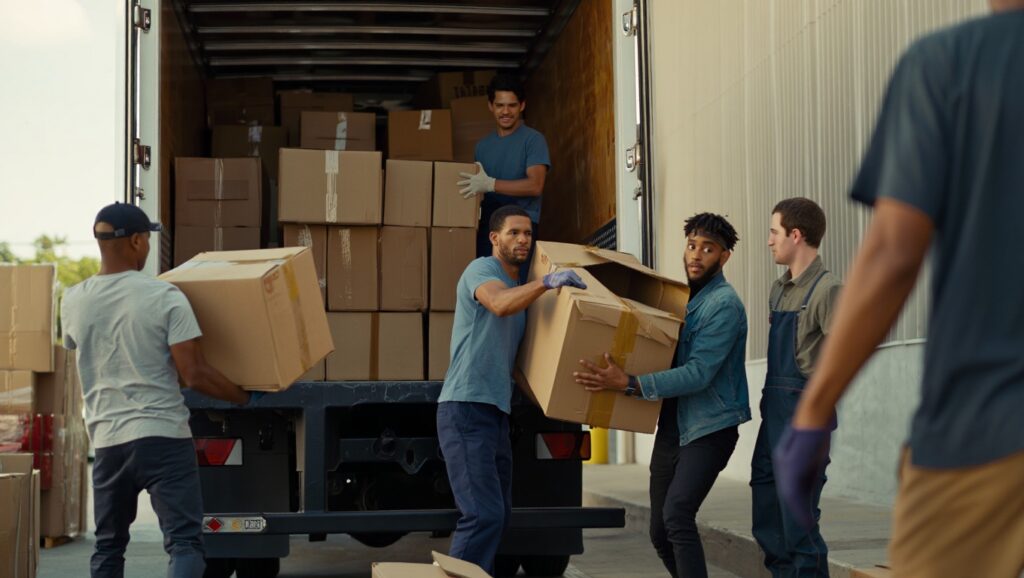
Customers Going Through Downsizing, Relocation, or Cleanouts
Customers downsizing, relocating for retirement, or managing a family member’s estate often need both moving and hauling services at the same time, making this an especially natural fit for a combined moving and junk removal business.
How Does a Franchise Model Compare With Starting an Independent Business?
A franchise model generally offers a faster path to operating a credible, structured business compared with starting independently, because it comes with an existing brand, training, marketing systems, and operational support already in place. Starting independently means building each of these elements from the ground up while also learning to run day-to-day operations.
Brand Building and Market Recognition
An independent business has to build brand recognition and trust from zero, while a franchise can operate under a name that may already have reviews and a track record in other markets. This can shorten the time it takes new customers to trust a new business.
Training and Business Guidance
Franchise training gives a new owner structured guidance on pricing, operations, and management, while an independent owner typically has to learn these lessons through direct experience, which can be slower and costlier.
Marketing Resources
A franchise typically provides marketing systems and materials that an independent owner would otherwise need to develop and fund entirely on their own, from a website to local search visibility strategies.
Standardized Operating Systems
Franchises generally offer standardized systems for scheduling, pricing, and customer management, while independent owners have to design and test their own systems, which can take longer to get right.
Support for New Business Owners
Ongoing franchisor support for questions, operational issues, or business decisions—gives a franchise owner a resource that independent owners typically don’t have, especially in the early stages of the business. This kind of continued access to guidance can matter as much in year two or three as it does during the initial launch, since operational challenges tend to shift as a business grows and adds crews or service capacity.
Independent owners aren’t without resources; they can hire consultants, join industry associations, or learn from other local business owners but these are typically slower, less structured, and less specific to the moving and junk removal industry than what a franchisor already has built for its own system. The trade-off is that franchise support comes with less flexibility to deviate from the established model, which is worth weighing against the value of that support.
What Should You Look for in a Moving and Junk Removal Franchise?
Look for a clear business model and service mix, meaningful training and ongoing support, real marketing and lead generation resources, defined territory terms, and transparent fees and agreement terms before choosing a specific franchise. These five factors determine how well a franchise opportunity will actually perform once you’re operating it.
Business Model and Service Mix
Evaluate exactly what services are included in the franchise’s business model—moving only, junk removal only, or both and whether that mix matches the market opportunity you’re evaluating.
Training and Ongoing Franchise Support
Ask what training covers, how long it lasts, and what ongoing support looks like once the business is operating, since the quality of this support often determines how smoothly the business runs day to day.
Marketing and Lead Generation Resources
Ask what marketing resources the franchisor provides and how leads are generated and routed to your location, rather than assuming the brand name alone will generate bookings.
Territory and Growth Considerations
Clarify how territory is defined, whether it can expand, and what the process looks like if you want to grow into a second location or additional territory down the road.
Franchise Fees, Costs, and Agreement Terms
Review the full franchise fee, ongoing royalty structure, and other terms disclosed in the Franchise Disclosure Document (FDD) before signing anything, and have the agreement reviewed by a franchise attorney.
Why Consider the Varsity Boys Moving & Hauling Junk Franchise Model?
The Varsity Boys Moving & Hauling Junk franchise model combines moving and junk removal under a single brand, built around an operating history in Texas markets including San Antonio. It’s a useful example of how the combined-service benefits described above translate into an actual franchise system.
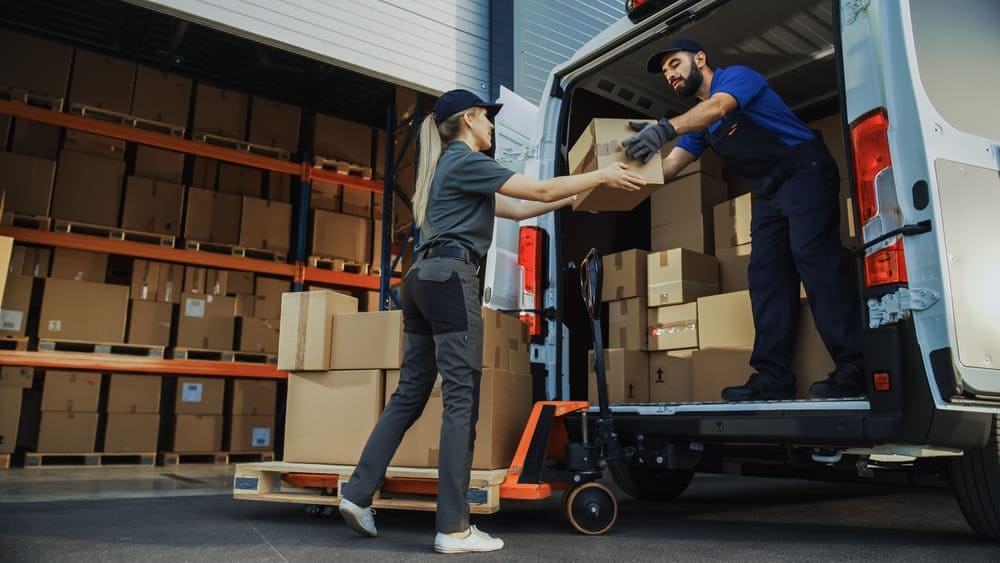
Moving and Junk Removal Under One Brand
Varsity Boys structures its business around offering both moving and junk removal from the same crews and trucks, reflecting the combined-service advantages covered earlier in this guide.
Training and Franchise Support
The franchise provides training and support built from the company’s own operating experience, covering pricing, crew management, and day-to-day operations for new owners.
Marketing and Operational Resources
Varsity Boys offers marketing support intended to help new franchise locations build visibility and start generating bookings, along with operational resources based on lessons from its existing locations.
Opportunity to Build a Local Service Business
The model gives an owner the chance to build a local service business under an established brand while still developing their own reputation, crew, and customer relationships in their specific market. You can review the specifics of this opportunity on the Franchise Opportunity Page.
Who May Be a Good Fit for a Moving and Junk Removal Franchise?
Entrepreneurs interested in service businesses, owners who want a structured model to follow, people with strong customer service or management skills, and individuals ready to build a local business tend to be good fits for this type of franchise. This isn’t a passive investment, it requires active involvement, especially in the first year.
Entrepreneurs Interested in Service Businesses
Owners drawn to hands-on service businesses, rather than purely passive investments, tend to find the day-to-day work of running a moving and junk removal franchise engaging rather than burdensome.
Owners Who Want a Structured Business Model
Owners who prefer following a proven system over building a business model from scratch are typically well suited to franchise ownership, since much of the operational decision-making has already been worked out.
People With Strong Customer Service or Management Skills
Since much of the business depends on managing crews and delivering a good customer experience, owners with strong people-management and customer service instincts tend to do well in this type of franchise.
Individuals Ready to Build a Local Business
This model fits individuals who want to build something local and hands-on by hiring a team, developing a reputation, and growing a business within a defined community rather than operating remotely or passively.
Questions to Ask Before Buying a Moving and Junk Removal Franchise
Ask specific questions about investment, training, territory, and marketing before committing to a franchise agreement. A franchisor confident in its system should be able to answer each of these clearly.
What Is Included in the Franchise Investment?
Ask for a full breakdown of what the franchise fee and total investment include, and request the official Item 7 figures from the FDD rather than relying on general marketing claims.
What Training and Support Are Provided?
Ask how long training lasts, what it covers, and how support is delivered once you’re operating independently.
How Does Territory Selection Work?
Ask how territory boundaries are determined, whether they can expand, and what protections exist if the franchisor wants to add another location nearby.
What Marketing Resources Are Available?
Ask specifically what marketing support is included, how leads are generated, and how those leads are routed to your business.
Steps to Evaluate a Moving and Junk Removal Franchise Opportunity
Evaluating a franchise opportunity generally follows four steps: researching the brand and business model, reviewing the FDD, evaluating costs and requirements, and speaking directly with the franchise team.
Research the Franchise Brand and Business Model
Look into the franchisor’s reputation, existing locations, and how the moving and junk removal services are structured within the business model.
Review the Franchise Disclosure Document.
Request and carefully review the FDD, ideally with a franchise attorney or accountant, before signing anything or paying a deposit.
Evaluate Costs, Fees, and Business Requirements
Compare the full investment range, ongoing fees, and operational requirements against your own budget and goals, using the official figures the franchisor provides.
Speak With the Franchise Team
Talk directly with the franchisor’s development team and, where possible, with existing franchisees about their real experience with training, support, and day-to-day operations.
FAQs About Moving and Junk Removal Franchises
What are the benefits of owning a moving and junk removal franchise?
The main benefits include an established business model, structured training and support, marketing resources, multiple service and revenue opportunities, and standardized operational systems, all of which can reduce the learning curve compared with starting an independent business.
Do I need moving industry experience to own a franchise?
No, most moving and junk removal franchises don’t require prior industry experience, since training typically covers pricing, crew management, and daily operations. Strong organizational and people-management skills tend to matter more than direct industry background.
What services can a moving and junk removal franchise offer?
A combined franchise can typically offer residential and commercial moving, junk removal and hauling, and property cleanout services, along with add-ons like packing or storage coordination depending on the specific brand.
What support does a moving franchise provide?
Most moving and junk removal franchises provide initial training, marketing support, operational guidance, and ongoing assistance after opening, though the specific scope of support varies by brand and should be confirmed directly with the franchisor.
How do I learn more about a Varsity Boys franchise opportunity?
You can learn more about a Varsity Boys Moving & Hauling Junk franchise opportunity by visiting the Franchise Opportunity Page, which covers ownership details and next steps for getting started.
Is a Moving and Junk Removal Franchise Right for You?
A moving and junk removal franchise can offer an established business model, structured training and support, marketing resources, and the ability to serve a wide range of customers from the same trucks and crews. Whether it’s the right fit for you depends on how much you value a proven system and ongoing support versus full independence and on the specific investment, territory, and support terms of the franchise you’re evaluating. If this combined-service model fits what you’re looking for, the next step is reviewing the specific opportunity details on the Franchise Opportunity Page.